
If you're setting up a new labeling process or troubleshooting one that isn't performing the way it should, one of the first decisions you'll run into is direct thermal or thermal transfer. The two printing methods look similar on the surface, both use heat instead of ink cartridges, but they're built for very different jobs. Choosing the wrong one can mean labels that fade before they ever reach the customer, or paying for durability you didn't actually need.
Here's how the two compare, and how to know which one fits your operation.
What Does 'Direct Thermal' Actually Mean?
Direct thermal printing uses heat-sensitive paper or polypropylene face stock. The printhead applies heat directly to the label, which darkens a chemical coating on the material to create the image. There's no ribbon, no ink, and almost no moving parts to maintain, which is part of why direct thermal printers have become the standard for high-volume, short-lifespan applications.
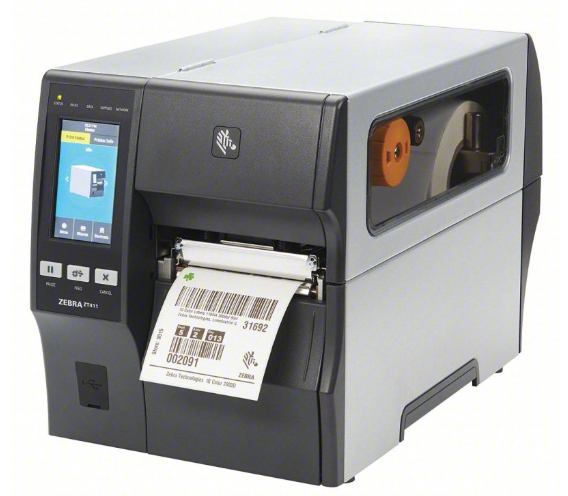
Where direct thermal works best:
- Shipping and carrier labels
- Retail and point-of-sale receipts
- Short-term inventory or work-in-process labels
- Applications where the label only needs to last days or weeks, not years
What Does 'Thermal Transfer' Actually Mean?
Thermal transfer printing also uses heat, but instead of reacting with the face stock directly, the printhead melts ink from a ribbon onto a durable label material, most often polyester film. That ribbon layer is what gives thermal transfer labels their staying power. The image is more resistant to fading, abrasion, moisture, and chemical exposure than anything a direct thermal label can offer.
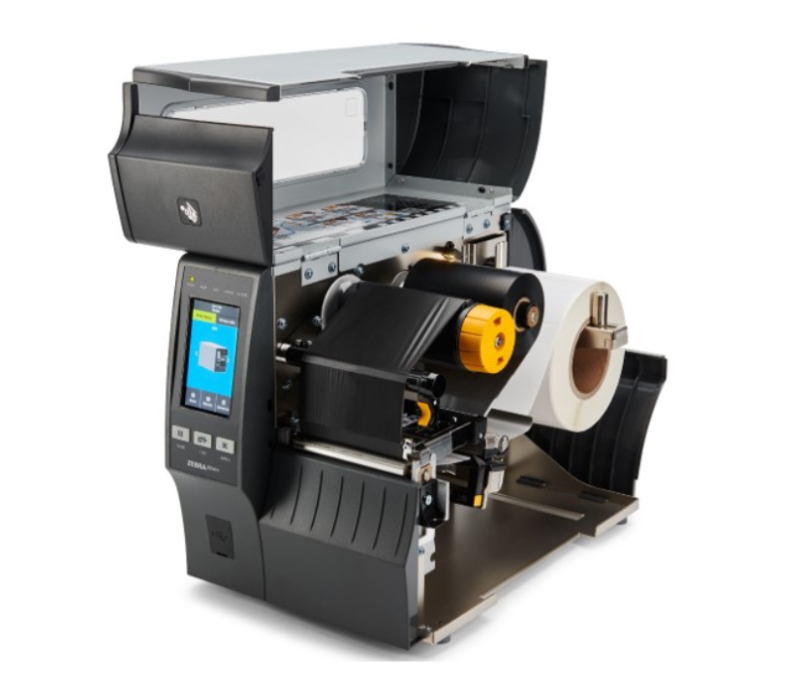
Where thermal transfer works best:
- Product and asset labels that need to survive the full life of the item
- Outdoor exposure, where UV and weather will degrade a direct thermal image quickly
- Automotive and industrial durable goods applications with harsh handling or chemical contact
- Barcode labels that need to scan reliably months or years after printing
The Real Difference: Longevity vs. Simplicity
The core tradeoff between the two comes down to how long the label needs to survive and how much you're willing to manage to get there.
Durability
Thermal transfer is the clear winner here. Because the image is fused onto a durable film rather than reacting with the paper itself, thermal transfer labels hold up to sunlight, scuffing, and exposure to oils, solvents, and moisture far longer than a direct thermal label can.
Cost and Simplicity
Direct thermal has the edge on simplicity. With no ribbon to buy, track, or replace, direct thermal printing is a lower cost, lower maintenance solution, which is exactly why it dominates high turnover applications like shipping labels, where the label's job is done the moment the package arrives.
Material Flexibility
Thermal transfer can be printed on nearly any label material, giving it far more flexibility for custom applications. Direct thermal is more limited, generally sticking to paper or polypropylene face stocks designed specifically for heat sensitivity.
Matching the Method to the Application
The right call usually comes down to one question: how long does this label need to do its job?
If it's a shipping label headed off the dock in a day or two, or a receipt handed to a customer at checkout, direct thermal gets the job done at a lower cost and with less equipment to maintain. But if that label is going on a product that needs to hold up on a shelf, in a warehouse, outdoors, or through months of handling and exposure, thermal transfer is built for that lifespan.
Not Sure Which One Fits Your Application?
Every operation has its own mix of print volume, exposure conditions, and equipment already in place. Grand Rapids Label's team can help you evaluate your current labeling setup and material choices to make sure you're not overpaying for durability you don't need, or underspecifying a label that's set up to fail.
If you're ready to talk through the right printing method and material for your application, reach out here to Grand Rapids Label to start the conversation.